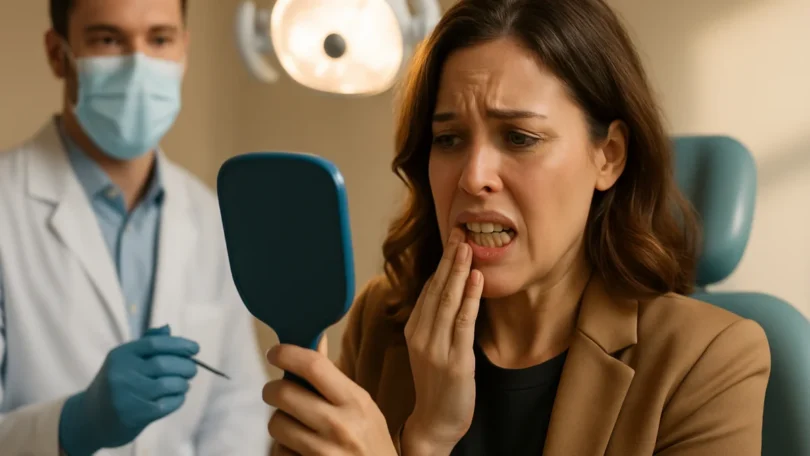

Thousands of people are suing the makers of Suboxone sublingual film, claiming the medication caused severe tooth decay, cavities, erosion and tooth loss, and that the companies failed to warn patients before the FDA required a dental warning in June 2022. The federal cases are consolidated in Ohio. As of September 2026, about 1,800 actions were pending, representing tens of thousands of individual plaintiffs, and the first bellwether trial was scheduled for March 2028. No settlement had been reached.
If you used Suboxone film and developed serious dental problems, here is what you need to know.
Last updated: October 2026.
What Is Suboxone?
Suboxone combines buprenorphine and naloxone and is used to treat opioid use disorder. It has helped many people in recovery. The film version dissolves under the tongue or inside the cheek. The lawsuits focus on this sublingual film and similar buprenorphine products that dissolve in the mouth.
The medication itself remains an important treatment option, and the lawsuits don’t claim people should stop treatment. They focus on whether the makers adequately warned about dental risks and protective steps.
Why People Are Suing
The lawsuits claim that the film is acidic and that as it dissolves in the mouth, it can damage tooth enamel and lead to decay. Plaintiffs say the companies knew or should have known about the dental risks and didn’t warn patients or recommend protective measures, like rinsing with water after the film dissolves.
On June 17, 2022, the FDA announced it was requiring a new warning about dental problems with buprenorphine medicines that dissolve in the mouth. The agency noted reports of tooth decay, cavities, oral infections and tooth loss, and recommended steps like swallowing and rinsing with water after the medicine dissolves and waiting before brushing.
The defendants, Indivior and Aquestive Therapeutics, deny the claims, and no defendant has been found liable.
Where the Litigation Stands
The federal MDL
Cases are consolidated as MDL 3092, In re Suboxone (Buprenorphine/Naloxone) Film Products Liability Litigation, in the U.S. District Court for the Northern District of Ohio, before Judge J. Philip Calabrese.
Case numbers
The Judicial Panel on Multidistrict Litigation reported about 1,827 pending actions as of September 1, 2026. Many filings include multiple plaintiffs. Indivior has reported to the SEC that, as of mid 2026, the cases named roughly 26,000 plaintiffs.
Key rulings
In December 2024, the court issued important rulings on the defendants’ motions:
- Failure to warn claims against Indivior for the period before the June 2022 label change can proceed
- Certain design defect claims related to the product before approval can proceed
- Some design defect claims after approval were dismissed
- The theory that the companies should have stopped selling the product was rejected
Trial schedule
The first bellwether trial is scheduled for March 2028, with pretrial arguments set for January 2028.
Settlement status
No settlement, payout amounts or claim forms exist. Any website quoting a specific “Suboxone settlement amount” is offering an estimate.
Why the Film Is at the Center of the Case
Suboxone was first sold as a sublingual tablet. The film version was introduced in 2010 and became the most common form. Plaintiffs argue the film’s acidity and the way it is held in the mouth while dissolving made dental damage more likely, and that the makers knew or should have known this. They also argue that simple steps, like rinsing after use, could have reduced the damage if patients had been told. The defendants dispute these claims.
Dental Injuries Commonly Reported
- Cavities and tooth decay, often multiple at once
- Enamel erosion
- Cracked, broken or crumbling teeth
- Gum disease and oral infections
- Abscesses
- Tooth loss requiring extractions
- The need for crowns, root canals, implants, bridges or dentures
Dental work can be expensive, especially implants and full mouth restorations, which is a major part of the damages in these cases.
What If You Used Generic Buprenorphine?
Generic versions of buprenorphine and naloxone film and tablets exist. Claims involving generic products can be more complicated because of how federal law treats generic drug labeling. The MDL is focused on Suboxone film and the named defendants. If you used a generic product, a lawyer can review your pharmacy records and explain whether your claim may fit.
Why the Timeline Is Long
With the first bellwether trial set for March 2028, these cases are expected to continue for years. The court must work through discovery, expert testimony on whether the film causes dental damage, and trial preparation. Filing now preserves your rights under your state’s statute of limitations, but realistic expectations about timing are important.
Costs of Dental Repair
Keep careful records of what you have spent and what your dentist says you will need. Estimates for future work, such as implants or dentures, are an important part of the damages. If you couldn’t afford needed dental work, your dentist’s treatment plan and estimates still document the harm and future costs.
Who May Qualify
Generally, people who may qualify:
- Used Suboxone sublingual film, or in some cases other dissolving buprenorphine products
- Used it before the June 2022 warning, which is the core period for failure to warn claims, though some later users may still have claims
- Developed significant dental injuries after starting the film, such as cavities, tooth decay, broken teeth, infections or tooth loss
- Can document both their use and their dental treatment
Court orders in the MDL require medical, dental and pharmacy records, generally covering a period starting several years before the first prescription through the present. Having good dental records from before you started the film can help show the damage came afterward.
Records You Will Need
- Pharmacy records showing your Suboxone film prescriptions and dates
- Prescriber records from your treatment provider
- Dental records, ideally from before and after you began using the film
- Records of dental procedures such as fillings, crowns, root canals, extractions, implants or dentures
- Dental bills and estimates for future work
- Photos of your teeth, if available
Dental offices sometimes only keep records for a limited number of years, so request them soon.
Privacy Concerns
Many potential plaintiffs worry about privacy, since their claim involves treatment for opioid use disorder. Federal law provides special confidentiality protections for substance use disorder treatment records, and courts often use protective orders to limit how sensitive information is shared in litigation. Ask any lawyer you speak with how they protect client privacy.
What About Other Factors?
Defendants argue that dental problems can result from many causes, including prior opioid use, dry mouth, diet, smoking, genetics and limited access to dental care. Plaintiffs’ records will be examined for these factors. Honest, complete information about your dental history helps your lawyer evaluate your claim and prepare for these arguments.
Protect Your Teeth if You Use Buprenorphine
If you currently take a dissolving buprenorphine medicine, don’t stop without talking to your prescriber. The FDA has recommended steps that may reduce dental risk:
- After the medicine fully dissolves, take a large sip of water, swish it gently around your teeth and gums, and swallow
- Wait at least an hour before brushing your teeth
- Tell your dentist you take buprenorphine
- Schedule regular dental checkups
Questions to Ask a Lawyer
- Do my dates of use and dental injuries fit the claims in the MDL?
- How will you protect the privacy of my treatment records?
- What records do you need, and can you help request them?
- What is my state’s filing deadline?
- What are your fees, and are there common benefit fees in this MDL?
- What happens to my case if there is a settlement before 2028?
If You Have Already Lost Teeth
Even if your dental work is complete, such as extractions or dentures, your claim may still be valid. Records of past treatment, bills and the condition of your teeth before you started the film are especially important in these situations. Ask your dentist whether they can provide a written summary of your dental history and the work performed.
Finding Old Dental Records
Many people changed dentists over the years or went long periods without regular dental care. To find records, start with your current dentist, then contact past offices directly. If a practice closed, the state dental board or the dentist who bought the practice may know where records went. Insurance claims history from dental insurers or Medicaid can also show past treatment dates. Even partial records can help establish a timeline.
Recovery and Dental Health
People in recovery often face barriers to dental care, including cost and access. Some community health centers and dental schools offer lower cost care. Keeping up with dental visits now protects your health and creates an ongoing record of your condition and needs.
A Quick Example
Jason used Suboxone film daily for five years beginning in 2016 as part of his recovery. Before starting, his dental records showed only minor issues. By 2020, he needed multiple fillings, two root canals and eventually several extractions. He has pharmacy records showing his prescriptions and dental records from before and after he started the film. His situation reflects the type of claim being pursued in the litigation: use before the 2022 warning and serious, documented dental injuries.
Watch Out for Misleading Ads
Because of the large number of potential claimants, many ads promote Suboxone lawsuits, and some suggest quick payouts or specific settlement amounts. Remember that no settlement exists yet. Choose a lawyer based on experience with drug injury cases and clear answers about fees and timing, not ad promises.
What to Do Next
If you used Suboxone film and developed serious dental problems, request your pharmacy and dental records now. Write down when you started and stopped the film and what dental work you needed. Then speak with a lawyer handling Suboxone claims about whether you qualify and what deadline applies in your state. Continue your treatment for opioid use disorder under your provider’s guidance.
Sources
- FDA: Dental problems with buprenorphine medicines dissolved in the mouth (June 2022)
- U.S. District Court, Northern District of Ohio: MDL 3092
- Open Class Actions: Suboxone MDL Update 2026
- SAMHSA: Confidentiality of Substance Use Disorder Records
This article is for general information only and is not legal advice. Laws change and every case is different, so speak with a licensed attorney in your state about your own situation.
Frequently Asked Questions
Does it cost money to file a Suboxone claim?
Most lawyers handling these cases work on contingency, so there is usually no upfront cost.
Who are the defendants in the Suboxone lawsuit?
The MDL names Indivior Inc., Indivior Solutions and Aquestive Therapeutics.
Is the Suboxone lawsuit a class action?
No. It is a mass tort with individual claims consolidated in an MDL. Each person’s case depends on their own records and injuries.
Can I file if I used Suboxone after 2022?
Possibly. The main failure to warn period is before June 2022, but some later users may still have claims depending on the facts.
How much could a Suboxone claim be worth?
There are no settlement amounts yet. Values would likely depend on the extent of dental damage, treatment costs and the strength of records.
Is there a Suboxone settlement?
No. As of October 2026, no settlement had been reached, and the first bellwether trial was scheduled for March 2028.
Who qualifies for the Suboxone tooth decay lawsuit?
Generally people who used Suboxone film, especially before June 2022, and developed significant dental injuries documented by records.
What is the June 2022 FDA warning?
On June 17, 2022, the FDA required a warning about dental problems with buprenorphine medicines that dissolve in the mouth and recommended protective steps.
Does the lawsuit include Suboxone tablets?
The MDL focuses on Suboxone film. Other dissolving buprenorphine products may be considered depending on the facts, so ask a lawyer.
Will my addiction treatment records be public?
Substance use disorder records have special federal confidentiality protections, and courts often use protective orders. Ask your lawyer about privacy safeguards.
Should I stop taking Suboxone?
Not without talking to your prescriber. Follow FDA recommended dental care steps and see your dentist regularly.