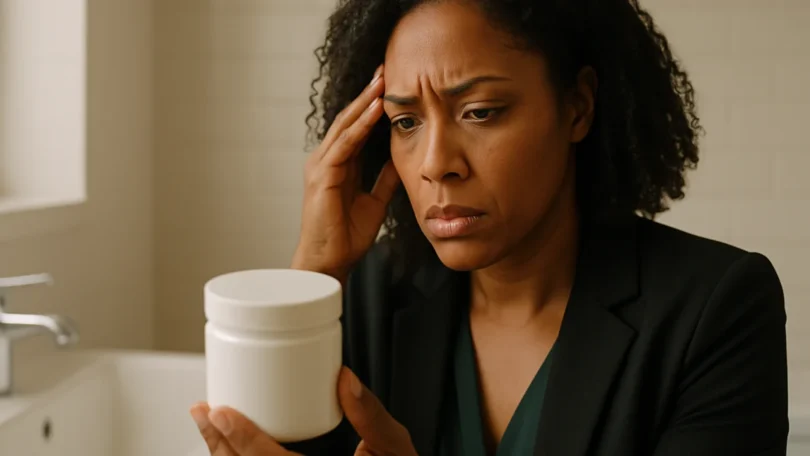

More than 11,000 women have filed lawsuits claiming that chemical hair relaxers and straighteners caused uterine cancer, endometrial cancer, ovarian cancer and other health problems. The federal cases are combined in a multidistrict litigation in Chicago. As of mid 2026, no settlement had been reached, and the first bellwether trials were expected to begin in 2027.
If you regularly used chemical hair relaxers and were later diagnosed with one of these cancers, here is what you need to know about the lawsuit, the research behind it and who may qualify to file.
Last updated: October 2026. Litigation schedules change, so confirm the latest status with the court or a lawyer.
What the Lawsuits Claim
The lawsuits argue that certain chemicals in hair relaxers, straighteners and smoothing products can disrupt hormones and increase cancer risk, and that manufacturers knew or should have known about the risk but didn’t warn consumers. Chemicals mentioned in the litigation include substances that act as endocrine disruptors, such as certain phthalates and parabens, as well as formaldehyde and formaldehyde releasing chemicals in some products.
Plaintiffs say they used these products for years, often starting in childhood or their teens, applied directly to the scalp every few weeks, and were never told about any potential cancer risk.
Who the Lawsuits Are Against
Defendants include several major cosmetics companies and brands that make or sell relaxers and straighteners, including L’Oréal and Revlon among others. The companies deny that their products cause cancer and are defending the cases.
The Research Behind the Lawsuits
A major turning point came in October 2022, when researchers from the National Institutes of Health published findings from the Sister Study, which followed nearly 34,000 women for about 11 years. They found that women who reported frequent use of hair straightening products, defined as more than four times in the previous year, were more than twice as likely to develop uterine cancer compared with women who never used them.
Researchers estimated that about 1.6 percent of women who never used straighteners would develop uterine cancer by age 70, compared with about 4 percent of frequent users. Because Black women are more likely to use these products, and often start at a young age, researchers noted the findings could be especially relevant for them.
Earlier research from the same study had also suggested links between hair products and breast and ovarian cancer. The lawsuits rely heavily on this body of research, though the companies dispute that it proves their products cause cancer.
Where the Litigation Stands
The federal MDL
Federal cases are consolidated as MDL 3060 in the U.S. District Court for the Northern District of Illinois, before Judge Mary M. Rowland. The MDL was created in early 2023 and has grown steadily. As of June 2026, more than 11,700 cases were pending, with new cases still being filed.
Bellwether trials
A pool of representative cases has been selected for bellwether trials, which are test trials that help both sides understand how juries might react. As of mid 2026, those trials were expected to begin in 2027.
Settlement status
As of the latest updates, there had been no global settlement and no bellwether verdicts. Any website quoting specific “hair relaxer settlement amounts” is offering estimates, not actual figures.
State court cases
Some cases are also proceeding in state courts, including in Illinois and other states.
Cancers and Conditions Involved
- Uterine cancer
- Endometrial cancer, the most common type of uterine cancer
- Ovarian cancer
- Some claims involve other reproductive or hormone related conditions, such as uterine fibroids or endometriosis, though law firms vary in which conditions they accept
How Mass Tort Cases Like This Usually Unfold
If you haven’t been part of a mass tort before, the process can feel slow and confusing. A typical path looks like this:
- Cases from around the country are gathered into the MDL
- Both sides exchange documents, internal company records and scientific data
- Experts present their opinions, and the judge rules on whose science can be heard by a jury
- Bellwether trials test the evidence in front of real juries
- Depending on those results, settlement talks may begin
- If a global settlement is reached, claimants submit proof and are paid through a claims program
This can take years. The hair relaxer litigation has been active since 2023, and the first trials were expected in 2027. Filing doesn’t mean you will receive money quickly, but it does preserve your rights while the process plays out.
What You Will Be Asked to Provide
If you join the litigation, expect to complete a detailed questionnaire, often called a plaintiff fact sheet. It typically asks about the products you used and for how long, your medical history, family history of cancer, other risk factors, your diagnosis and treatment, and how the illness has affected your life. Answer completely and honestly. Defense lawyers will look closely at other risk factors, such as obesity, hormone therapy or genetics, so your lawyer needs a full picture.
Why Many Plaintiffs Are Black Women
Chemical relaxers have been marketed heavily to Black women for generations, and many started using them as young girls. The NIH researchers noted that Black women were more likely to report frequent use. That is one reason this litigation has drawn so much attention in Black communities, and why many advocates have called for stronger regulation of hair products and better research on women’s health.
Who May Qualify
Each law firm sets its own intake criteria. Generally, women who may qualify:
- Used chemical hair relaxers or straighteners regularly, often for several years
- Were diagnosed with uterine, endometrial or ovarian cancer, or in some cases a related condition, after years of use
- Can describe the products they used, even if they don’t have old receipts
- Have medical records confirming the diagnosis
- Are within their state’s statute of limitations
Families of women who died from these cancers may also be able to bring wrongful death claims.
Proving Product Use Without Receipts
Many women used relaxers decades ago and don’t have receipts. That is expected. Proof of use can come from:
- Your own detailed account of which brands you used, how often and for how long
- Statements from family members, friends or stylists who applied the products
- Salon records, if your stylist kept them
- Photos showing straightened hair over the years
- Store loyalty program or online order history, if available
Write down everything you remember now: brand names, whether it was a box kit or salon applied, how often you relaxed your hair and at what age you started.
Does It Matter Which Brand You Used?
Yes, because lawsuits are filed against specific manufacturers. If you used several brands over the years, list them all. A lawyer can match your product history to the companies named in the litigation.
The Statute of Limitations
State deadlines for product injury claims are commonly two or three years, but many states use a discovery rule that starts the clock when you knew or should have known your cancer might be linked to the product. For many women, that awareness came only after the 2022 study received wide attention. Even so, waiting can be risky. If you think you have a claim, speak with a lawyer soon.
What About the FDA?
The FDA has announced plans to ban formaldehyde and formaldehyde releasing chemicals in hair straightening products, but the proposed rule has faced repeated delays. Cosmetics are less tightly regulated than drugs, and the federal Modernization of Cosmetics Regulation Act of 2022 gave the FDA new authority over cosmetic safety, including new reporting requirements. Regulatory action, or the lack of it, doesn’t decide the lawsuits, but it can be part of the broader evidence.
What a Hair Relaxer Lawsuit Can Recover
- Medical expenses, including surgery such as hysterectomy, chemotherapy and radiation
- Future medical care and monitoring
- Lost wages and reduced earning ability
- Pain and suffering
- Loss of fertility, which can be a significant part of the claim for younger women
- Wrongful death damages for families
A Quick Example
Keisha started using box relaxer kits at age 12 and used them every six to eight weeks into her late thirties. At 44, she was diagnosed with endometrial cancer and had a hysterectomy. She remembers the brands she used, and her sister, who often helped apply it, can confirm her use. Her medical records document her diagnosis and surgery. Her situation reflects the profile many law firms are accepting: long term, frequent use and a diagnosed uterine cancer.
Should You Stop Using Relaxers?
That is a personal decision, and it is worth discussing with your doctor, especially if you have a family history of uterine or ovarian cancer. Many women have switched to heat styling, natural styles or products marketed as formaldehyde free. Pay attention to symptoms like abnormal bleeding, pelvic pain or unexplained weight loss, and see a doctor if they appear.
Signs and Symptoms to Watch For
Whatever you decide about the lawsuit, your health comes first. Symptoms of uterine and endometrial cancer can include unusual vaginal bleeding, especially after menopause, bleeding between periods, pelvic pain or pressure, and unexplained weight loss. Ovarian cancer symptoms are often vague, such as bloating, feeling full quickly, pelvic or abdominal pain and urinary changes. If symptoms like these last more than a couple of weeks, see a doctor and mention your history of using hair straightening products.
Questions to Ask a Lawyer
- Do my diagnosis and history of use meet your criteria?
- Which brands are part of the litigation?
- How will I prove my use if I don’t have receipts?
- Will my case be filed in the federal MDL or a state court?
- What is your fee, and how are costs handled?
- What happens to my case if there is a global settlement?
What to Do Next
If you used chemical hair relaxers for years and were diagnosed with uterine, endometrial or ovarian cancer, start by writing down your product history while you remember it. Gather your medical records and talk to family members who can confirm your use. Then get a free case review from a lawyer handling hair relaxer cases, and ask about your state’s filing deadline.
Sources
- National Institutes of Health: Hair Straightening Products and Uterine Cancer Risk (2022)
- U.S. District Court, Northern District of Illinois: MDL 3060
- U.S. Food and Drug Administration: Cosmetics Safety
- Van Law Firm: Hair Relaxer Lawsuit Update 2026
This article is for general information only and is not legal advice. Laws change and every case is different, so speak with a licensed attorney in your state about your own situation.
Frequently Asked Questions
Are salon applied relaxers included?
Yes, claims can involve both salon and at home box products, as long as you can identify the brands and describe your use.
Do I have to go to court if I file?
Most plaintiffs in mass torts never testify at trial. Only a small number of cases are chosen for bellwether trials, and many cases resolve through settlement.
Does it cost anything to join the hair relaxer lawsuit?
Most mass tort lawyers work on contingency, so there is usually no upfront cost. They are paid a percentage only if you recover money.
Is there a hair relaxer settlement?
As of the latest updates in 2026, no global settlement had been reached and no bellwether trials had produced verdicts.
What cancers are linked to hair relaxers in the lawsuits?
The main claims involve uterine, endometrial and ovarian cancer. Some firms also accept related reproductive conditions.
Do I need receipts to file a hair relaxer lawsuit?
No. Proof of use can come from your own account, statements from family or stylists, salon records and photos.
When will the hair relaxer trials start?
Bellwether trials in the federal MDL were expected to begin in 2027, according to updates in mid 2026.
How much will hair relaxer lawsuits pay?
No settlement amounts exist yet. Any figures you see are estimates.
Can I file if a family member died from uterine cancer?
In many states, families can bring wrongful death claims. Talk to a lawyer about your state’s rules.