
If you are hit by a driver who has no insurance, your best option is usually your own uninsured motorist coverage, often called UM coverage. It pays for your injuries, and in some states your car damage, as if the other driver had insurance. Other options include your collision coverage, health insurance, MedPay or personal injury protection, and in some cases suing the driver personally.
Uninsured drivers are more common than many people realize. Industry estimates suggest that roughly one in seven or eight drivers on U.S. roads has no insurance, and in some states the share is much higher. Here is how to protect yourself and get paid when the other driver can’t pay.
First Steps After the Crash
Treat the scene the same as any accident, with a few extra precautions:
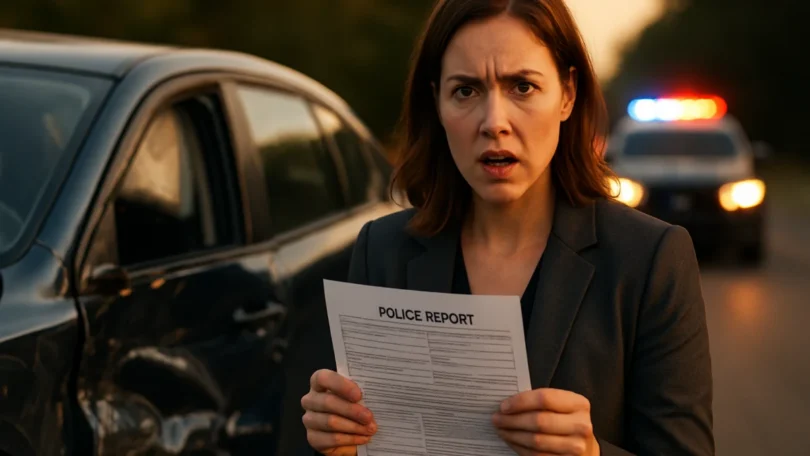
- Call the police. A police report is especially important when the other driver is uninsured. Driving without insurance is illegal in nearly every state, and the report documents it.
- Get the driver’s information, including name, address, license number and plate number. Photograph their license if you can.
- Photograph everything: both cars, the scene, the plate and any injuries.
- Get witness details, since an uninsured driver may later deny fault.
- See a doctor promptly.
- Notify your insurance company quickly. UM policies usually require prompt notice, and some require the police to be notified within a short time.
Uninsured Motorist Coverage Explained
Uninsured motorist coverage is part of your own auto policy. It steps in when you are hurt by a driver who has no insurance or in many states by a hit and run driver. Some states require drivers to carry it. Others require insurers to offer it, and you may have declined it in writing.
Uninsured motorist bodily injury (UMBI)
Pays for injuries to you and your passengers, including medical bills, lost wages and pain and suffering, up to your policy limits.
Uninsured motorist property damage (UMPD)
Available in some states, it pays for damage to your car. It often has a lower limit and sometimes a deductible.
Underinsured motorist coverage (UIM)
A related coverage that applies when the other driver has insurance but not enough to cover your damages. It often comes bundled with UM coverage.
How a UM Claim Works
- You report the accident to your insurer and open a UM claim
- Your insurer confirms that the other driver was uninsured
- You provide medical records, bills, wage loss proof and other documentation
- Your insurer evaluates your claim, much like the other driver’s insurer would have
- You negotiate a settlement
- If you can’t agree, many policies require arbitration, while others allow a lawsuit
Here is the twist many people don’t expect: in a UM claim, your own insurer is now on the other side. It is still your insurance company, but it has a financial interest in paying less. You will need to prove fault and damages just as you would with any other insurer.
The good news is that your insurer owes you a duty of good faith because you are its customer. Unreasonable delays or lowball handling of a UM claim can support a bad faith claim in many states.
Other Coverage That May Help
| Coverage | What it pays | Notes |
|---|---|---|
| Collision | Damage to your car | You pay your deductible. Some states waive it in uninsured motorist situations. |
| MedPay | Medical bills, regardless of fault | Usually small limits, like $1,000 to $10,000 |
| Personal injury protection (PIP) | Medical bills and some lost wages | Required in no fault states, optional in some others |
| Health insurance | Medical treatment | May seek repayment from any later settlement |
| Disability insurance | Part of lost income | Through work or a private policy |
Can You Sue the Uninsured Driver?
Yes, you can sue the driver personally. The practical question is whether you could ever collect. Many people who drive without insurance have few assets. A court judgment against someone with no money or property may be hard to collect, though judgments can last for years and in some cases lead to wage garnishment.
Some states suspend the driver’s license of an uninsured driver until a judgment is paid, which can create pressure to pay. Whether a lawsuit makes sense depends on the driver’s finances, the size of your losses and how much UM coverage you have.
Hit and Run Accidents
If the driver flees and is never identified, many states treat them as uninsured for UM purposes. Some policies and states require evidence of physical contact between the vehicles, or an independent witness, before a hit and run claim is covered. That is why you should report a hit and run to the police right away, usually within 24 hours, and gather any witness or video evidence you can.
Check nearby businesses and homes for cameras quickly. Footage is often recorded over within days.
When You Don’t Have UM Coverage
If you declined UM coverage, your options shrink, but they don’t disappear:
- Collision coverage can still fix your car
- Health insurance, MedPay or PIP can help with medical bills
- You can sue the driver personally
- If the driver was working at the time, their employer may be responsible
- If the driver was using someone else’s car, the owner’s policy might apply
- Some states have victim compensation funds for crimes, which may help in hit and run cases involving injury
A lawyer can check for other insurance policies that might apply, such as a household member’s policy that covers you.
Stacking UM Coverage
In some states, you can “stack” UM coverage, combining the limits for multiple vehicles on your policy or multiple policies in your household. If you have $50,000 in UM coverage on each of two cars, stacking could make $100,000 available. Whether stacking is allowed depends on your state and your policy language. It is worth asking about if your injuries are serious.
Common UM Claim Problems
- Late notice: not telling your insurer quickly enough
- No police report: especially in hit and run cases
- Disputes over fault: your insurer may argue you were partly to blame
- Low valuations: treating your injuries as minor
- Delays: taking months to respond
- Recorded statements: your policy may require cooperation, but prepare carefully
What Proof Your Insurer Will Want
To process a UM claim, your insurer will usually need to confirm two things: that the other driver was at fault, and that they had no insurance. Helpful documents include:
- The police report, especially if it notes the other driver had no insurance or was cited
- Any letter from the other driver’s supposed insurer denying coverage, if they claimed to have a policy that turned out to be lapsed
- Photos of the scene and vehicles
- Witness statements
- Your medical records, bills and proof of lost income
Sometimes a driver gives an insurance card at the scene for a policy that has been cancelled. Your insurer can usually check coverage directly, so share whatever information you were given.
UM Arbitration in Plain English
Many auto policies say that if you and your insurer can’t agree on the value of a UM claim, the dispute goes to arbitration instead of court. An arbitrator, often a retired judge or experienced lawyer, hears both sides and makes a decision. Arbitration is usually faster and less formal than a trial, but your rights to appeal may be limited. Read the UM section of your policy so you know whether arbitration applies.
A Quick Example
Tiffany is driving through an intersection in Memphis when a car runs a stop sign and hits her passenger side. The other driver has no insurance. Police issue a citation. Tiffany has a sprained shoulder and a cracked rib, and her car is badly damaged.
Her collision coverage pays for the repairs, minus her deductible. She opens a UM claim with her own insurer for her injuries. Because she has $100,000 in UM coverage, the claim covers her medical bills, missed work and pain and suffering. When her insurer’s first offer is low, she pushes back with her records, and the claim settles for a much fairer amount. Without UM coverage, she would have been left with her health insurance and a judgment against a driver who likely couldn’t pay.
How to Protect Yourself Going Forward
If this has made you nervous, check your own policy. Look for uninsured and underinsured motorist coverage and their limits. Many experts recommend carrying UM/UIM limits that match your liability limits. The cost of adding or increasing UM coverage is often modest compared with the protection it offers. Ask your agent for a quote.
Uninsured Driver vs Underinsured Driver
It helps to know which situation you are in. An uninsured driver has no applicable insurance at all. An underinsured driver has insurance, but their limits are too low to cover your losses. In the underinsured case, you usually claim against the other driver’s policy first, and once that is paid out, your underinsured motorist coverage can pay the difference up to your limits. Many policies require you to get your insurer’s consent before accepting the other driver’s policy limits, so check with your insurer before you sign any release.
Does a UM Claim Raise Your Rates?
In many states, insurers are restricted from raising premiums for accidents where you weren’t at fault, including UM claims. Rules vary, and some insurers still factor in claims history. If you are worried, ask your insurer how they handle not at fault UM claims before you file. Keep in mind that the coverage exists for exactly this situation, and you paid for it.
When to Get Legal Help
Because your own insurer becomes your opponent in a UM claim, many people find it helpful to have a lawyer, especially with serious injuries or a low offer. If your policy requires arbitration, a lawyer experienced in UM arbitration can be valuable. Most work on contingency.
Keep Your Policy Rules in Mind
Your UM coverage comes with conditions. Most policies require prompt notice, cooperation with the investigation and, in some cases, your insurer’s consent before you settle with anyone else. Missing one of these steps can give your insurer a reason to deny. Read the uninsured motorist section of your policy, or ask your agent to walk you through it.
What to Do Next
Report the accident to the police and your insurer right away. Pull out your policy, or ask your agent for the declarations page, and look for uninsured motorist coverage. Gather your medical records and bills, and keep track of missed work. If your injuries are significant or your insurer is slow or unfair, talk to an injury lawyer.
Sources
- Insurance Research Council: Uninsured Motorists
- Insurance Information Institute: Uninsured Motorist Coverage
- National Association of Insurance Commissioners: Auto Insurance
This article is for general information only and is not legal advice. Laws change and every case is different, so speak with a licensed attorney in your state about your own situation.
Frequently Asked Questions
What if the uninsured driver was driving someone else's car?
The car owner’s insurance policy may cover the driver in many states, so check whether the vehicle itself was insured.
What happens if someone without insurance hits me?
Your own uninsured motorist coverage is usually the main source of payment for injuries. Collision coverage can fix your car, and you may be able to sue the driver.
Does uninsured motorist coverage pay for pain and suffering?
Yes. Uninsured motorist bodily injury coverage generally pays for the same damages you could claim against an insured driver, up to your limits.
Is uninsured motorist coverage required?
Some states require it. Others require insurers to offer it, and drivers can decline in writing.
Does hit and run count as uninsured?
In many states, yes, if the driver can’t be identified. Some policies require physical contact or a witness and prompt police reporting.
Will my insurance go up if I file a UM claim?
Many states restrict rate increases for not at fault accidents, but rules vary. Ask your insurer how they treat UM claims.
Can I sue an uninsured driver personally?
Yes, but collecting can be difficult if they have few assets. A lawyer can help assess whether it makes sense.