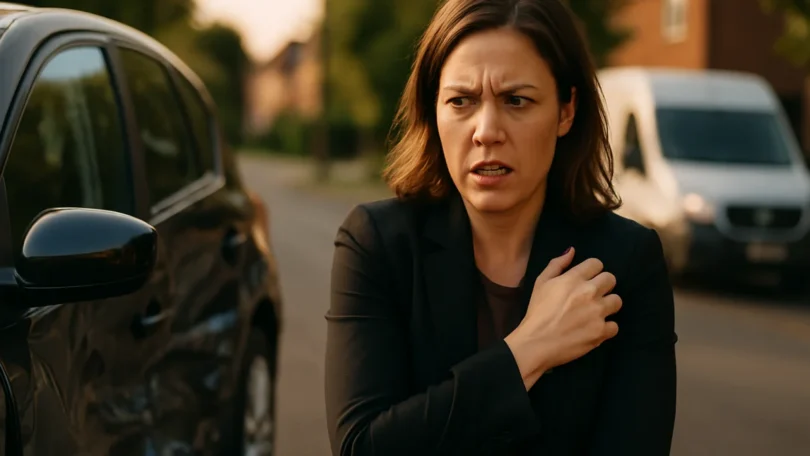

If you were hit by a delivery truck or van, the company the driver works for, or the company whose packages they deliver, is often responsible through its commercial insurance. But who exactly is liable depends on how the driver is employed. UPS drivers are typically direct employees. Many Amazon delivery drivers work for independent Delivery Service Partner companies. FedEx Ground uses independent contractor businesses for many routes. That structure affects whose insurance pays and how the claim is handled.
Delivery vehicles are on residential streets more than ever, often under time pressure, stopping and starting constantly. Here is what you need to know if one of them hits you.
Why Delivery Crashes Are Common
Delivery drivers face conditions that raise crash risk:
- Tight delivery quotas and route schedules
- Frequent stops, U-turns and backing up
- Driving in unfamiliar neighborhoods
- Using handheld scanners and navigation apps
- Long shifts that lead to fatigue
- Large vans with big blind spots
- Double parking and pulling out into traffic
Pedestrians, cyclists and drivers on residential streets are often the people hurt.
Who Employs the Driver Matters
| Company | Typical driver arrangement | What it means for your claim |
|---|---|---|
| UPS | Most package car drivers are UPS employees | UPS is generally responsible for employee drivers acting within their job |
| Amazon | Many drivers work for independent Delivery Service Partner (DSP) companies; Amazon Flex drivers use their own cars as contractors | The DSP and its insurance are usually primary; Amazon’s own role is often disputed |
| FedEx Ground and Home Delivery | Routes are often run by independent service provider companies that employ drivers | The contractor company’s insurance is usually primary |
| FedEx Express | Many drivers are FedEx employees | FedEx is generally responsible for employee drivers |
| USPS | Federal employees and contractors | Claims against the federal government follow special rules with strict deadlines |
These arrangements can change, so the actual employment relationship for your driver needs to be confirmed.
Respondeat Superior: Employer Responsibility
Under a long standing legal doctrine called respondeat superior, employers are generally responsible for the negligence of employees acting within the scope of their job. If a UPS employee driver runs a stop sign while on a route, UPS is usually responsible. This is one reason big employers carry large commercial insurance policies.
The Contractor Question
Companies that use contractor models often argue they aren’t responsible for drivers employed by other businesses. Injured people sometimes argue the larger company should share responsibility because it controls routes, schedules, technology, training, vehicle branding and performance metrics. Courts have reached different results depending on the facts and the state.
In practice, the contractor company usually has its own commercial auto insurance, often with significant limits, and that policy is commonly the first source of payment. Whether the larger company’s insurance also applies is a question for investigation and sometimes litigation.
Amazon Flex and Gig Drivers
Amazon Flex drivers deliver packages in their own personal vehicles as independent contractors. Their personal auto policies may exclude commercial use, but Amazon has provided commercial auto coverage for Flex drivers during active delivery blocks, which may apply in certain situations. Coverage terms can change and depend on what the driver was doing at the time, similar to rideshare insurance. If you were hit by a personal car making deliveries, find out whether the driver was on an active delivery.
Federal Rules for Larger Trucks
Larger delivery trucks above certain weights, especially those crossing state lines, may be subject to federal motor carrier safety rules on driver qualifications, hours of service and maintenance. Most standard delivery vans fall below the heaviest thresholds, but some rules may still apply depending on vehicle size and use. Violations can be strong evidence of negligence.
Evidence in Delivery Crash Cases
Delivery companies collect a lot of data, which can be valuable:
- Telematics showing speed, braking and location
- In vehicle cameras facing the road and the driver, which many fleets now use
- Delivery scanner records showing timing and stops
- Route schedules and quotas
- Driver training and safety records
- Vehicle maintenance records
Because this data can be overwritten, a preservation request should go out quickly. If you hire a lawyer, ask whether they send preservation letters to every company involved.
What to Do After a Delivery Vehicle Crash
- Call 911 and get medical care
- Get the driver’s name, license, plate and the company they drive for
- Photograph the van, including logos, company names and any DOT or vehicle numbers
- Ask the driver who their employer is, since the van’s logo may not show the contractor company
- Get witness information and look for doorbell or business cameras
- Make sure the police report lists the correct company
- Avoid giving a recorded statement to the company’s insurer until you have advice
Common Problems in These Claims
- Finger pointing: the large company says the contractor is responsible, and vice versa
- Multiple insurers: contractor, parent company and your own insurer may all be involved
- Identifying the right company: the logo on the van may not match the employer
- Arbitration and corporate defense: large companies have experienced claims teams and lawyers
- Federal claims: crashes involving USPS vehicles require a federal administrative claim first, usually within two years
Common Types of Delivery Crashes
Backing crashes
Delivery vans reverse constantly, out of driveways, cul de sacs and loading zones. Large vans have limited rear visibility, and drivers in a hurry may skip checking cameras or mirrors. Pedestrians, children and cars parked or passing behind the van are often hit.
Sudden stops and double parking
Vans that stop abruptly in a travel lane or double park on busy streets can cause rear end crashes and force cyclists into traffic. Drivers behind a van may still share responsibility for following too closely, but the van driver’s choices also matter.
U-turns and pulling out
Quick U-turns on residential streets and pulling away from the curb without checking traffic are common causes of side impact crashes.
Rolling vans
A van left running or not properly secured can roll, hitting people or property. These crashes almost always point to driver error.
Delivery Pressure as Evidence
Delivery companies track how many stops drivers make per hour and how quickly routes are completed. In some cases, injured people argue that unrealistic quotas pushed drivers to rush, skip safety steps or drive while fatigued. Route data, quotas and internal communications can be relevant when deciding whether a company, not just the driver, contributed to the crash. These records are usually only available through a formal legal request, which is another reason prompt legal help can matter.
If You Were Hurt as a Delivery Driver
Delivery drivers are injured too, from crashes, falls and lifting. If you are an employee of UPS, FedEx Express or a DSP, you generally have workers’ compensation through your employer. If you are classified as a contractor, such as an Amazon Flex driver, workers’ comp may not apply unless your classification is incorrect, though you may have a claim against another at fault driver. Ask a lawyer to review your situation if you were hurt on the job.
What You Can Recover
- Medical bills and future treatment
- Lost wages and earning ability
- Pain and suffering
- Vehicle repair or replacement
- Other out of pocket costs
Dealing With Large Company Claims Departments
Big delivery companies and their contractors usually route claims through insurance carriers or third party administrators. You may hear from more than one adjuster, one for the contractor and another for the larger company. Keep a list of every adjuster, their company and claim number. Ask each one in writing which company they represent and whether their policy is accepting responsibility. Avoid recorded statements and don’t sign releases until you know your full damages, because a release signed with one company may affect your rights against another.
Insurance Limits in Delivery Cases
Commercial delivery contractors are often required by the companies they work with to carry substantial auto liability insurance, and large employers typically carry high limits or are self insured for part of their risk. That generally means more coverage is available than in a crash with an ordinary driver, which matters when injuries are serious. Identifying every policy early helps make sure your claim is valued against the full available coverage rather than a single smaller policy.
A Quick Example
Hannah is driving through her neighborhood in Charlotte when a branded delivery van backs out of a driveway without looking and slams into her driver’s door. She suffers a shoulder injury that needs surgery. The van belongs to a Delivery Service Partner company. Her lawyer sends preservation letters to the DSP and to the larger company, obtains the van’s camera footage showing the driver looking at his scanner while reversing, and pursues the DSP’s commercial insurance. The claim covers her surgery, months of therapy and lost income.
Packages, Porches and Pedestrians
Delivery drivers often walk across lawns, cross streets mid block and leave vans running while making quick drops. Pedestrians, children playing and cyclists can be hurt by vans pulling away suddenly or rolling when not properly secured. If you or your child were hurt this way, the same liability principles apply. The company employing the driver, or the contractor running the route, is usually the starting point for the claim.
How Long These Claims Take
Claims against delivery contractors and large companies often take longer than ordinary car claims, especially when the companies dispute who is responsible. Simple cases with clear fault and modest injuries may settle within months. Cases involving serious injuries, multiple companies or disputes over employment status can take a year or more and may require a lawsuit to sort out responsibility.
When to Get Legal Help
Because of contractor arrangements, multiple insurers and corporate legal teams, delivery truck claims are more complex than typical car accidents. If you were seriously hurt, or if the companies are pointing at each other, a lawyer can identify every responsible party and policy. Most work on contingency.
What to Do Next
Write down the company name on the van and anything the driver said about who they work for. Get medical care, keep your records and request the police report. Then talk to a lawyer about sending preservation letters for camera and telematics data before it is lost.
Sources
- Federal Motor Carrier Safety Administration
- NHTSA: Vehicle Safety
- USPS: Filing a Claim Under the Federal Tort Claims Act
This article is for general information only and is not legal advice. Laws change and every case is different, so speak with a licensed attorney in your state about your own situation.
Frequently Asked Questions
What if the delivery driver says it was my fault?
Fault is decided by evidence, not the driver’s statement. Camera footage, telematics, witnesses and the police report are key.
Can I sue Amazon directly?
Possibly, depending on the facts and your state’s law, but courts have reached different results. The DSP’s insurance is usually the first source of payment.
How long do I have to file a delivery truck accident claim?
Usually your state’s injury deadline, often two to three years. Claims involving USPS vehicles follow federal rules and generally require an administrative claim within two years.
Who pays if an Amazon delivery van hits me?
Often the Delivery Service Partner company that employs the driver, through its commercial insurance. Whether Amazon also shares responsibility depends on the facts and state law.
Are UPS drivers employees?
Most UPS package car drivers are UPS employees, which generally makes UPS responsible for their negligence while working.
Who is liable in a FedEx Ground crash?
FedEx Ground often uses independent contractor companies whose insurance is usually primary. The larger company’s role can be disputed.
What if a USPS vehicle hit me?
You usually must file an administrative claim with the federal government, generally within two years, before you can sue.
What if an Amazon Flex driver hit me in their own car?
Coverage may depend on whether the driver was on an active delivery. Commercial coverage provided for Flex drivers may apply in some situations.
Do delivery vans have cameras?
Many fleets use cameras and telematics. Request that this data be preserved quickly before it is overwritten.